The Rise Of Electric Cars Driving Business Growth
From innovation to necessity, see how electric vehicles are bringing industry-wide change.

Author: Sarah Mitchell
Date: 18 July 2025
Buying a used car can be an exciting and budget-friendly way to get your dream ride but it comes with risks if you’re not careful. Whether you’re buying from a dealer or a private seller, inspecting the right details can save you from expensive mistakes later.
1. Vehicle History Report
Always start by reviewing the VIN (Vehicle Identification Number) to check accident records, ownership history, and service data. Trusted tools like Carfax or AutoCheck can give you a detailed report in minutes.
2. Exterior Condition
Inspect for dents, scratches, and signs of repainting. Uneven paint tones or gaps between panels might indicate previous damage or poor repair work.
3. Engine Health
Open the hood and check for oil leaks, corrosion, or worn-out belts. A clean, well-maintained engine bay is a good sign of regular care. You can also bring a mechanic for a deeper inspection.
4. Interior Features
Check the seats, dashboard, and controls. Ensure that the AC, infotainment system, and power windows are functioning properly. Unusual odors could indicate water damage or mold.
5. Mileage
Compare the mileage with the car’s age. A car with very low mileage for its age might seem tempting but could have been idle for long periods, which isn’t always good for the engine.
6. Tires And Suspension
Look for even tire wear. Uneven wear patterns could mean alignment or suspension issues. Also, test-drive the car to feel how it handles bumps and turns.
7. Undercarriage And Frame
Check underneath the vehicle for rust, oil drips, or welded areas. Major frame repairs can affect both safety and resale value.
8. Test Drive Experience
A test drive reveals more than any report. Listen for unusual noises, test braking, and note how smoothly the gears shift. Try both city and highway speeds.
9. Paperwork & Documents
Ensure all documents are valid, including registration, insurance, title, and service history. Verify the seller’s name matches the ownership papers.
10. Price Comparison
Finally, compare prices with similar listings on DriveX and other trusted platforms. This helps you negotiate better and ensures you’re paying a fair market price.
Conclusion
A little diligence goes a long way when buying a used car. By checking these essentials, you’ll drive away not only with a great car but with peace of mind, knowing you made a smart, informed decision.
Related Posts
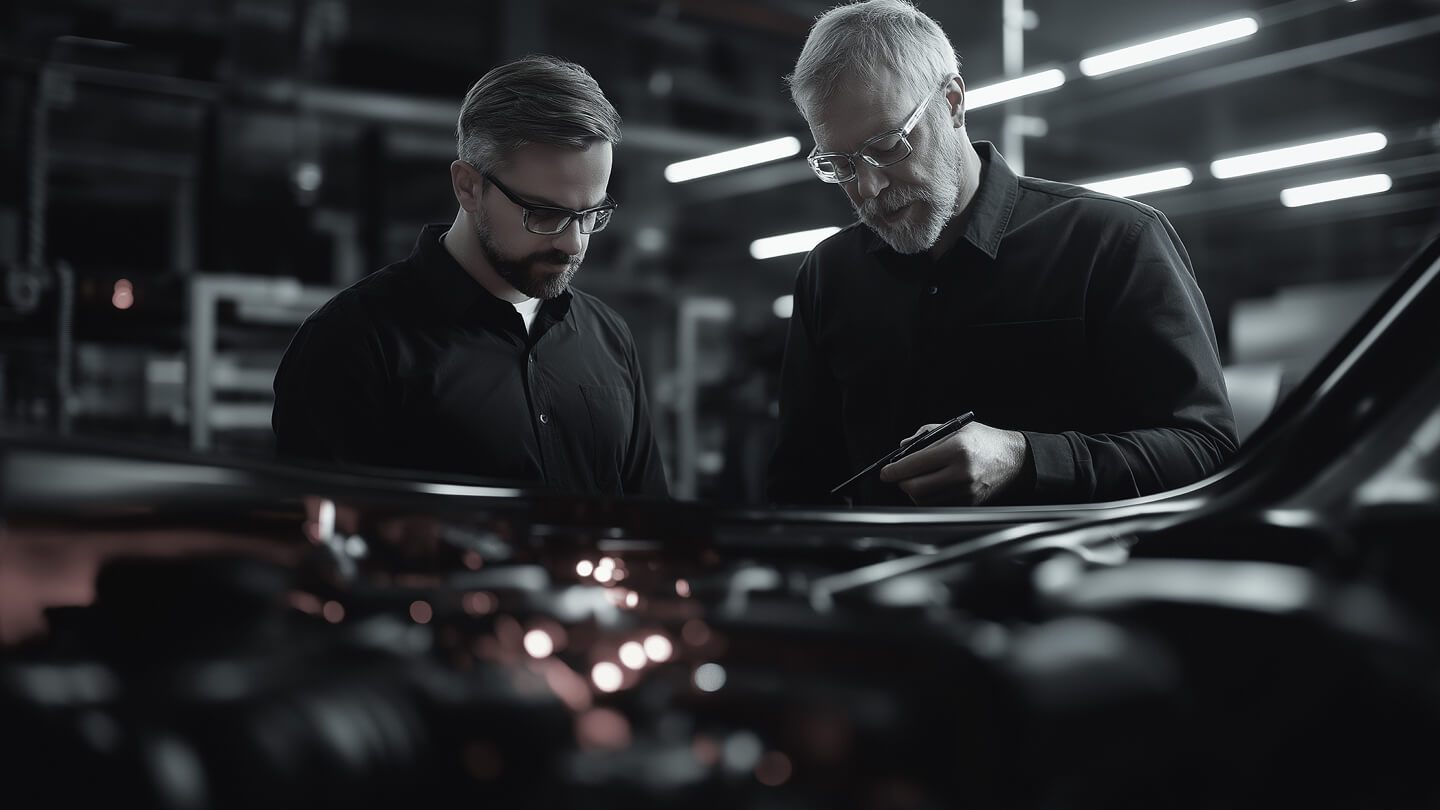
Author: Sarah Mitchell
Date: 02 July 2025
10 Things To Consider Before Buying A Used Car
A useful guide covering what every smart buyer should inspect before signing the deal.

Author: Kevin Ross
Date: 08 August 2025
Electric Vehicles In 2025: What You Need To Know?
We break down performance, comfort, and value in the latest electric vehicle releases.
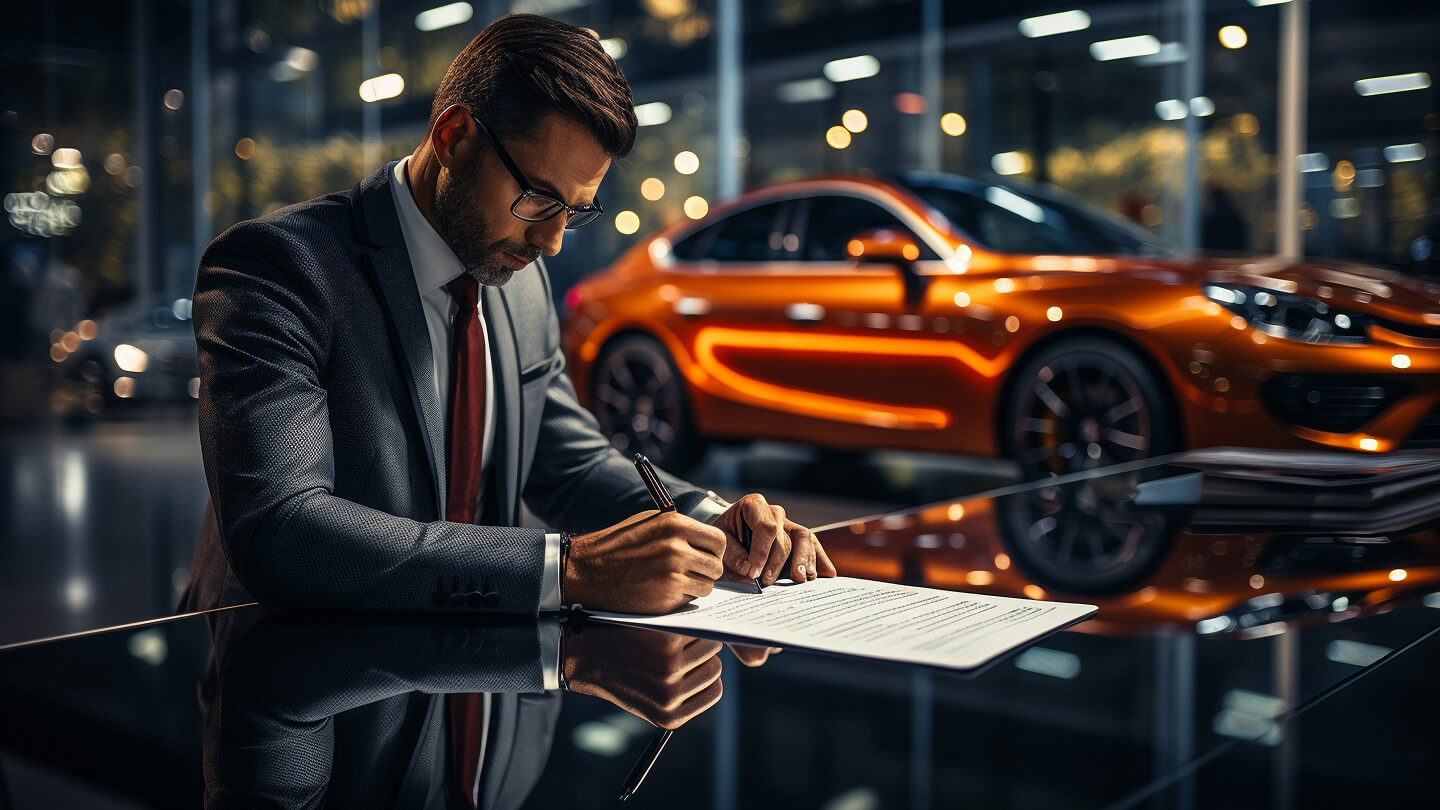
Author: Jason Lee
Date: 10 September 2025
How To Write The Perfect Car Listing Description
Learn how the right words can attract serious buyers and help your listing perform better.
Frequently asked question
Got questions? We’ve got answers. Here’s everything you need to know before buying or selling your car on Drivlex.
How do I buy a car on Drivlex?
Simply browse through our verified listings, filter by your preferences, and contact the seller directly through our platform. Once you agree on a deal, you can arrange a meeting and complete the purchase securely.
How can I sell my car on Drivlex?
Create an account, upload your vehicle details, add photos, set your price, and publish your listing. Drivlex will help you reach thousands of active buyers instantly.
Are the car listings verified?
Yes. Every listing goes through an authenticity check to ensure accurate information, vehicle transparency, and user trust.
Do I need to pay to list my car?
Basic listings are free. However, you can choose premium features—like highlighted listings or top placement—to get more visibility.
How does Drivlex keep transactions secure?
We protect user data with strong encryption and provide a secure chat system to prevent unwanted spam, fraud, or fake buyers.